Chat with us
1

Strategic Flooring Design: Why 3D Modeling is the Key to Flawless Surface Planning

5 min read
Strategic Flooring Design: Why 3D Modeling is the Key to Flawless Surface Planning

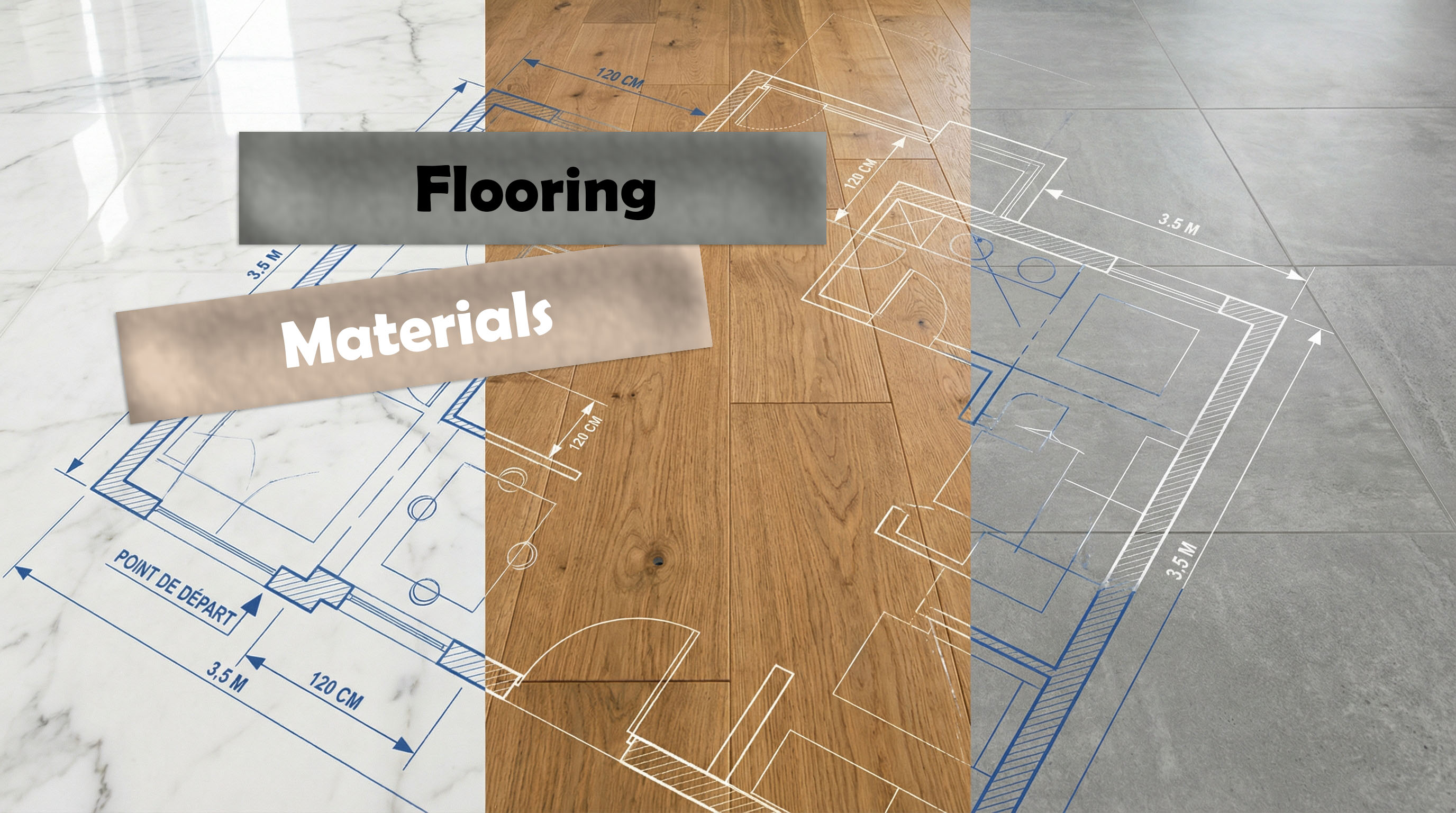
The floor is the foundation of any interior's aesthetic and functional character. Whether it is a luxury showroom, a corporate office, or a modern home, the Plan de Revêtement de Sol (Flooring Layout Plan) is a critical technical document. It defines the types of materials used, their orientation, and the technical specifications for installation. At Buildmodeler 3D, we believe that selecting the right material is only half the battle; the other half is won through high-precision 3D Modeling.

What is a Flooring Layout Plan? This plan is a specialized component of the DCE phase. Its purpose is to map out exactly what material goes into each space of the project. It specifies:

1. Material Types: Clearly identifying areas for marble, ceramic tiles, parquet, or polished concrete.
2. Layout Patterns: Defining the starting point of the tiling (calepinage) to ensure symmetrical cuts and aesthetic alignment with walls and furniture.
3. Transitions: Managing the joints where two different materials meet (e.g., where wood flooring meets marble).

The Challenge of Material Choice Choosing flooring from a small sample in a store is risky. A material that looks good in your hand might look overwhelming or mismatched when spread across 100 square meters. Furthermore, without a precise plan, contractors might start laying tiles from the wrong corner, resulting in ugly, thin strips of tile at the most visible entrance.

Why 3D Modeling is Essential for Flooring & Materials Integrating 3D Modeling into flooring planning transforms a risky decision into a calculated success:

4. Visualizing the Total Surface: In 3D, we don't just show you a texture; we model the entire floor with realistic lighting. You can see how the grain of the marble reflects sunlight or how the warmth of the parquet interacts with your wall colors. This prevents "buyer's remorse" after the materials are already installed.
5. Mastering the Calepinage (Tiling Pattern): With a 3D model, we can experiment with the "Point de Départ" (starting point). We can visualize exactly where the tiles will be cut. This ensures that the most prominent areas of the building have full, beautiful tiles, while cuts are hidden under furniture or in less visible corners.
6. Exact Quantity Calculation (Métrés): Flooring materials like high-end marble or imported wood can be extremely expensive. 3D software calculates the exact square footage needed, including a precise percentage for waste. This saves you from over-ordering expensive materials or, worse, running out of a specific batch mid-construction.
7. Testing Combinations: 3D rendering allows you to test multiple materials in seconds. You can compare a light oak floor against a dark walnut one, or see how a specific tile border looks around a central rug area.

Conclusion The Flooring Layout Plan is where durability meets design. By leveraging Advanced 3D Modeling, you ensure that your floors are not just covered, but engineered for beauty and precision. It provides the ultimate clarity for material selection and a flawless technical guide for contractors, ensuring every joint and every tile is exactly where it belongs.

Discover more articles

Explore our collection of articles on 3D modeling and architecture.